
Why Saying “No” Is Sometimes the Best Decision in Aesthetics Practice
In aesthetics, there is often a quiet assumption that every consultation should lead to a treatment plan.
But in reality, the most responsible and ethical approach sometimes means the opposite.
Not every patient is the right fit for every treatment, not every request aligns with safe, appropriate, or meaningful outcomes, and not every moment is the right time to move forward.
Citrus Aesthetics treated this idea as a standard of care and not a limitation.
Jessica Cvetic, PA-C, has built Citrus around an ethical framework that prioritizes long-term trust, patient safety, and natural-looking outcomes over short-term decisions. One of the tools that supports this approach is the AWQ-10 framework, a structured method for evaluating patient readiness, expectations, and suitability before moving into treatment planning.
This is where a different kind of confidence comes into play.
Sometimes, the best clinical decision is saying no.
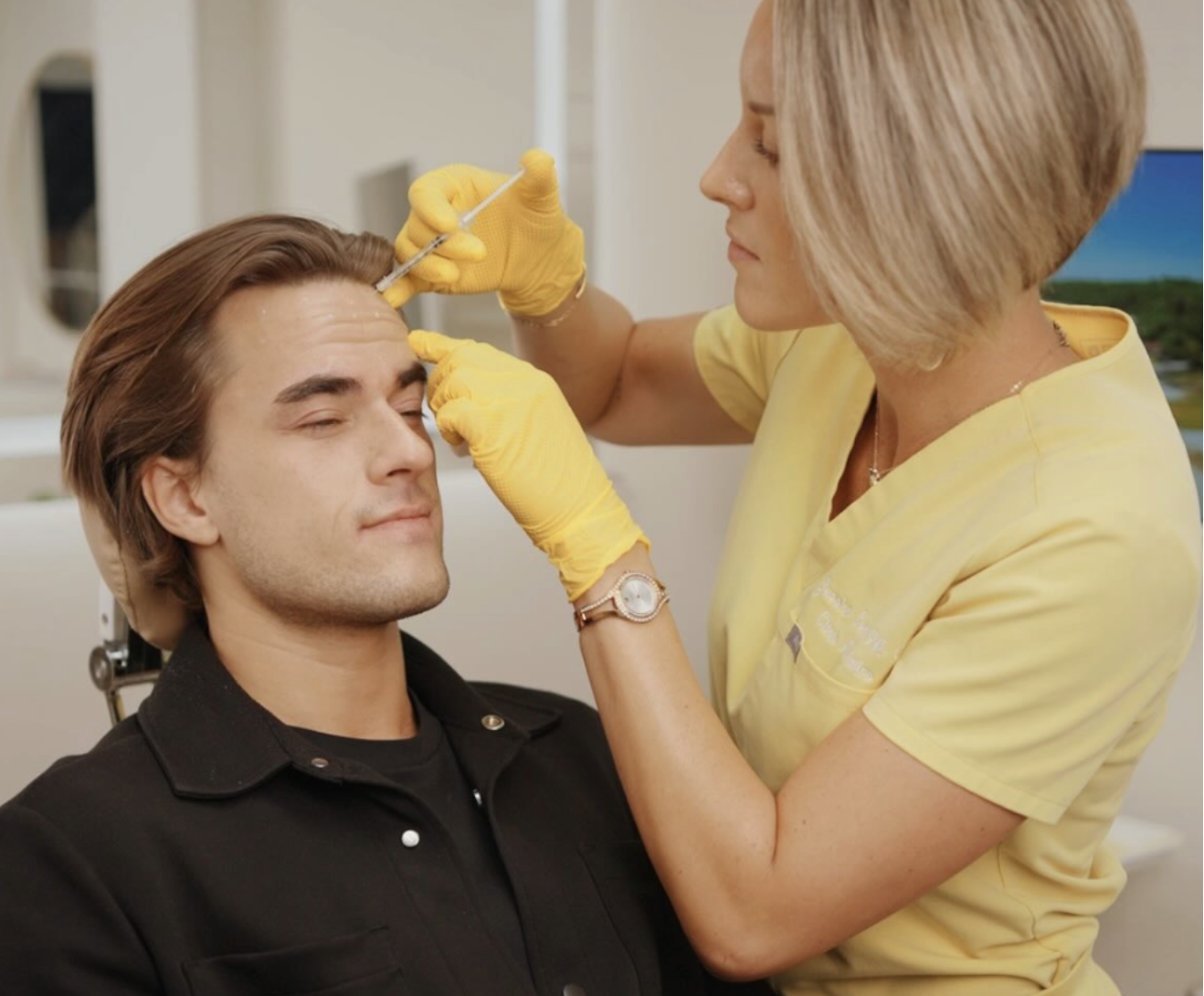
Why Patient Selection Matters More Than Treatment Volume
In the growing aesthetics industry, it can be easy to focus on what can be done rather than what should be done.
But experienced providers know that the foundation of excellent outcomes is not just technical skill. It is judgment.
Patient selection plays a critical role in safety, satisfaction, and overall experience. When expectations, goals, or readiness are not aligned, even the best treatments may not lead to meaningful results for the patient.
Ethical practice in medical aesthetics depends on appropriate consultation, clear communication, and responsible decision-making guided by qualified professionals.
Citrus Aesthetics reflects this philosophy in every consultation.
The goal is not to proceed with every request. The goal is to ensure every decision supports the patient’s long-term wellbeing and confidence.
Introducing the AWQ-10 Framework
The AWQ-10 framework was developed as a structured way to guide patient assessment and improve consistency in decision-making.
Rather than relying solely on instinct or informal conversation, AWQ-10 brings clarity and structure to the consultation process.
It includes three core components:
1. A Structured Questionnaire
This helps ensure that both provider and patient are aligned before any treatment discussion progresses. The AWQ-10 questionnaire is designed to explore key areas of patient readiness, including:
Motivation for treatment
Understanding of outcomes and limitations
Emotional readiness and expectations
Previous treatment history
Comfort level with gradual versus immediate change
Alignment between goals and available options
2. A Weighted Scoring System
Not all factors carry equal importance. The AWQ-10 framework introduces a weighted scoring system that helps providers evaluate overall suitability in a more balanced way. This structure supports consistent decision-making while still allowing for clinical judgment.
It is not about creating rigid rules. It is about supporting clarity.
3. A Structured Treatment Planning Approach
Once the assessment is complete, the framework guides how treatment conversations are shaped. This includes:
Whether to proceed with treatment
Whether to delay and reassess at a later time
Whether to recommend alternative approaches first
Whether further education is needed before moving forward
This approach helps ensure that every plan is intentional, thoughtful, and aligned with the patient’s goals.
Why Declining Treatment Is Sometimes the Right Decision
In aesthetics, saying no can feel uncomfortable at first glance but in practice, it is often a sign of strong clinical integrity.
There are situations where moving forward with a treatment may not support the patient’s expectations or overall well-being. In those moments, responsible guidance may involve pausing, reframing the conversation, or recommending a different path entirely.
At Citrus Aesthetics, this is not seen as turning patients away. It is seen as protecting trust.
Patients are more likely to feel supported when they know their provider is prioritizing honesty over volume. This is one of the reasons many patients choose Citrus long-term. They are not rushed into decisions. They are guided through them.
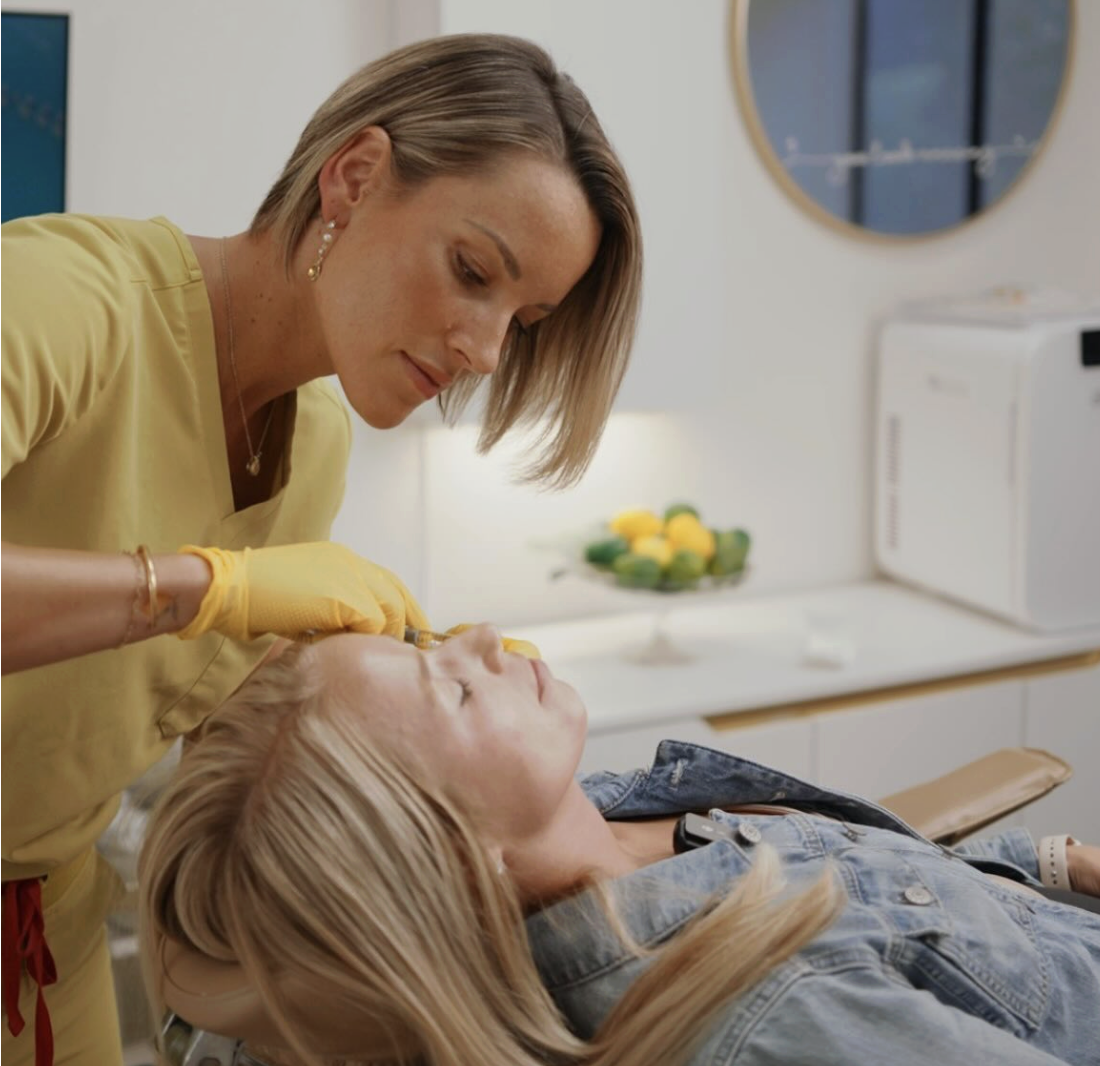
How AWQ-10 Supports Better Conversations
One of the most valuable aspects of the AWQ-10 framework is how it shapes communication.
Instead of focusing only on procedures, consultations become conversations about alignment. Patients are encouraged to share their goals openly. Providers take time to explain what is realistic, what is not appropriate, and what alternatives may exist. This creates space for clarity rather than pressure.
It also helps patients feel more confident in their decisions, whether they choose to move forward immediately or not. The experience becomes less about persuasion and more about understanding.
The Role of Ethics in Modern Aesthetics
As aesthetics continues to grow, ethical practice becomes even more important.
Trends move quickly. Social media influences expectations. And patients are often exposed to a wide range of information that may not reflect clinical reality. This is where ethical leadership matters.
With Citrus Aesthetics, Jessica has consistently emphasized that aesthetics should never be driven by pressure or trends. Instead, it should be guided by safety, education, and respect for the individual.
The AWQ-10 framework supports that philosophy by giving structure to something that has always been at the heart of good practice: thoughtful decision-making.
Training and Implementation for Aesthetic Teams
Implementing a structured assessment system like AWQ-10 requires more than just introducing a questionnaire.
It involves training teams to communicate differently, evaluate patients more thoughtfully, and maintain consistency across consultations.
For practices looking to adopt this approach, personalized training sessions can help integrate the AWQ-10 framework into daily workflows.
These sessions typically focus on:
How to introduce the questionnaire naturally in consultations
How to interpret scoring in a practical, patient-centered way
How to navigate conversations when treatment is not recommended
How to maintain a supportive and ethical patient experience
The goal is not to create rigidity. It is to build confidence in decision-making while maintaining a compassionate and patient-first approach.
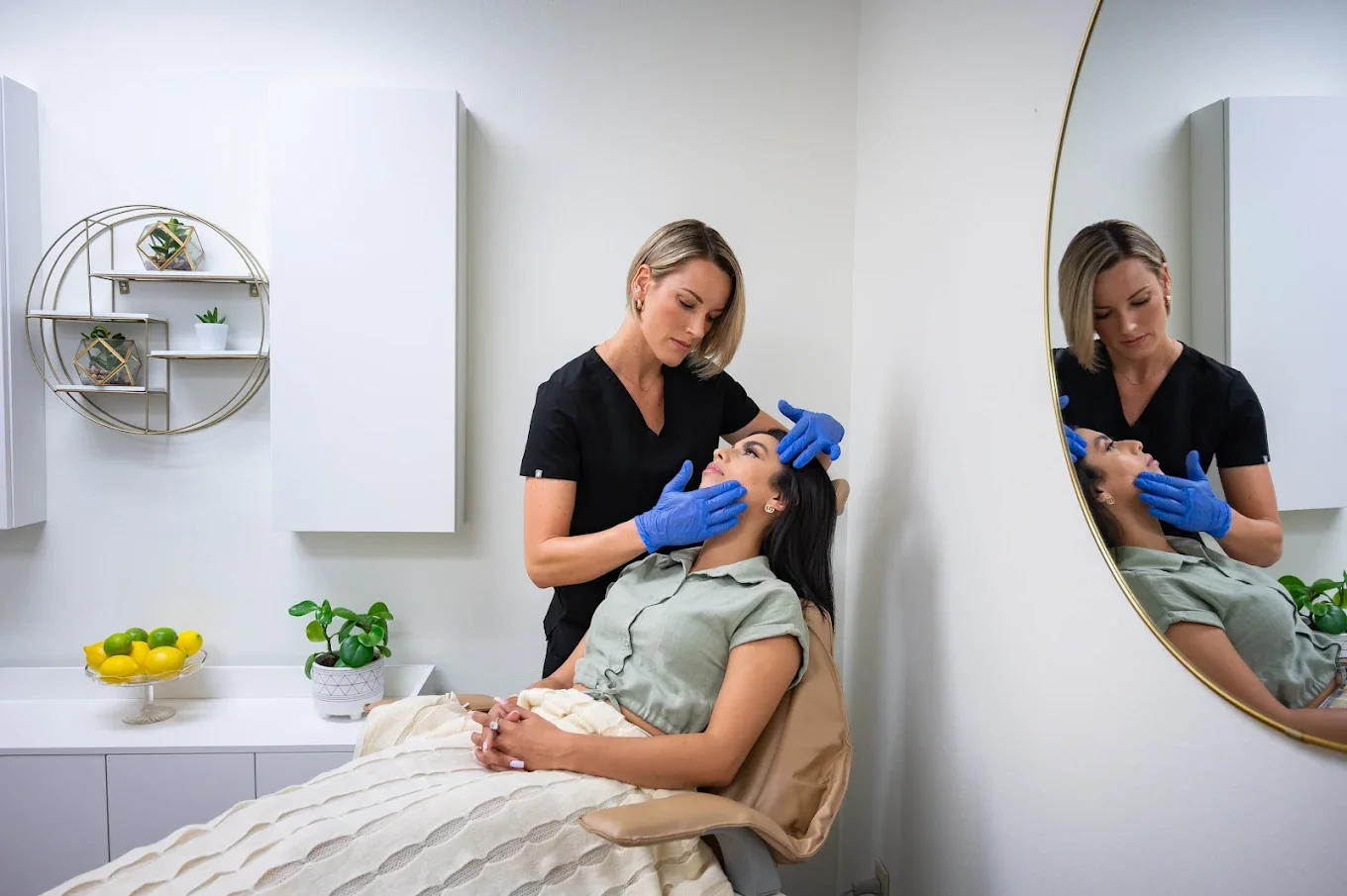
Building Trust Through Responsible Decisions
In many ways, trust is not built when a treatment is agreed upon.
It is built in the moments when a provider takes the time to pause, assess, and consider whether moving forward is truly the right choice. Patients remember honesty. They remember clarity. And they remember feeling heard, even when the answer is not what they expected.
This is where the AWQ-10 framework becomes part of a culture of responsibility.
Saying no is not about limitation.
It is about intention. It is about ensuring that every decision in aesthetics is made with care, clarity, and respect for the individual in front of you.
That principle is the foundation of Citrus Aesthetics.
And as the Citrus Franchise continues to grow, this same philosophy will remain central to every new location, every consultation, and every patient experience because the strongest practices are not defined by how many treatments they perform.
They are defined by the decisions they are willing to decline thoughtfully.
If you are ready to bring more clarity, consistency, and ethics into your consultations, take a closer look at the AWQ-10 framework and see how it can support better patient selection, stronger communication, and more confident decision-making in your practice.
Explore how AWQ-10 can help you create a consultation process that feels more intentional, more patient-centered, and more aligned with long-term trust.
AWQ-10 offers a practical way to elevate the experience from the very first conversation. Learn more, review the framework, and discover how a more structured approach can help you know when to move forward and when saying no is the best decision.