
Why Citrus Aesthetics Says No to Some Treatments: Meet the AWQ-10
What if the best med spa experience you could have begins with someone telling you, “Not today”?
It may sound surprising.
When you walk into a medical spa, you might expect the conversation to be about what treatment you want, what concerns you would like to address, and when you would like to book.
But what if there is another question that matters just as much?
Are you actually ready for treatment?
At Citrus Aesthetics, this question is part of what makes the experience different.
Jessica Cvetic, PA-C, founded Citrus Aesthetics with a strong belief in ethical aesthetics, patient education, and doing what is right for the patient sitting in front of her. That philosophy led her to create the AWQ-10, the Aesthetic Wellness Questionnaire, a structured screening tool designed to help aesthetic providers think more carefully about patient readiness before treatment and health patients’ mental health be protected.
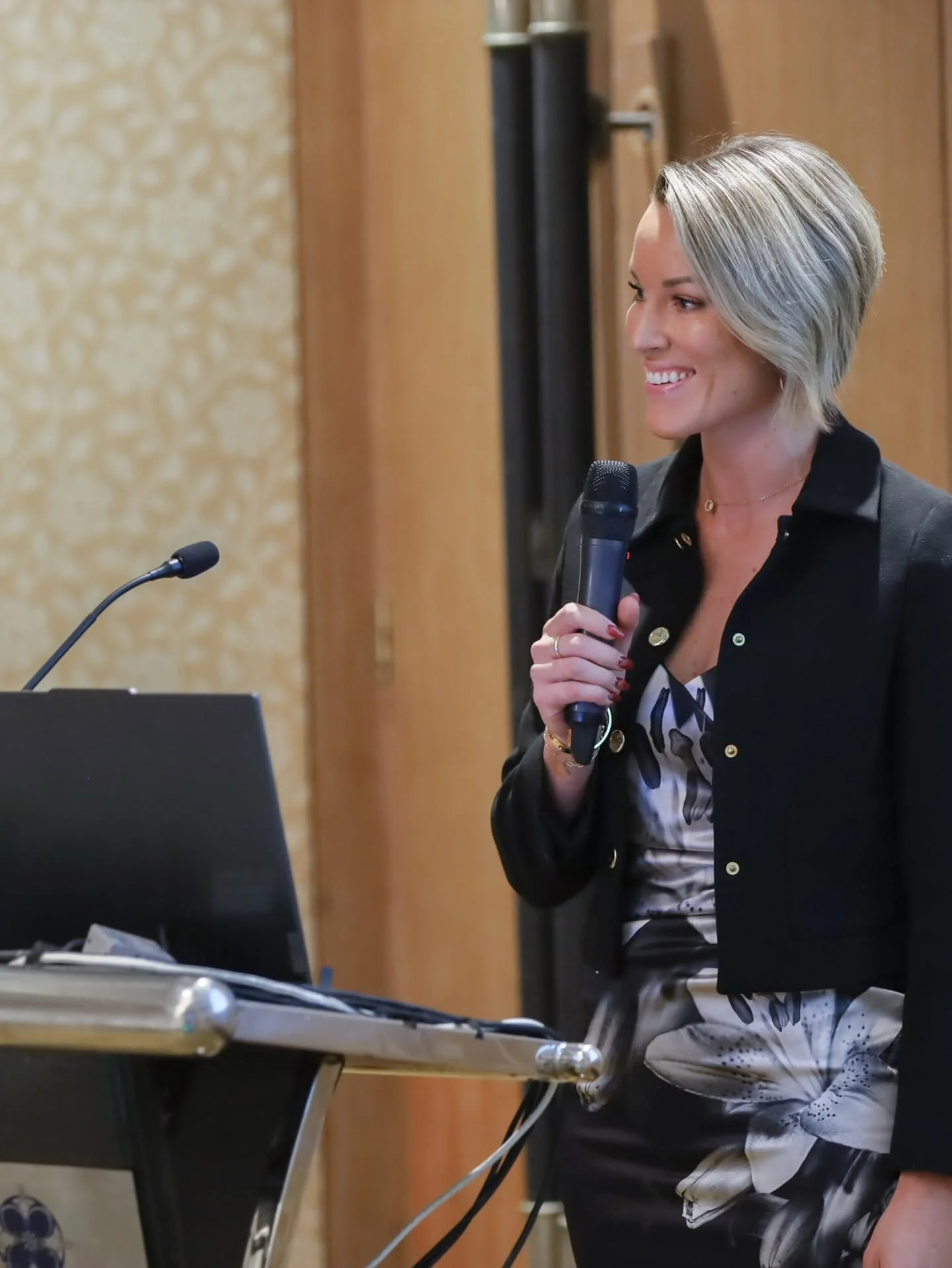
Jessica Cvetic, PA-C, the founder of Citrus Esthetics, spoke at the AMWC Bangkok aesthetic conference to discuss ethical aesthetics and the responsibility providers carry.
What Is the AWQ-10?
The AWQ-10 is a one-minute screening tool created by Jessica Cvetic to help aesthetic providers identify psychological and emotional red flags that may warrant further conversation, education, a pause, or referral to mental health specialists before treatment.
It is designed around a simple idea: A patient asking for a treatment does not automatically mean that treatment is the right decision at that moment. This is an important distinction in aesthetic medicine.
Patients can have very different reasons for seeking aesthetic treatments. Someone may simply want a subtle change or to explore their options. Someone else may be experiencing pressure from social media, an upcoming event, a relationship, or an expectation that a treatment will solve a much deeper concern. They may be experiencing significant loss or mental health issues and if they were to move forward with Aesthetic treatments, their mental state could be exacerbated negatively.
Those situations deserve thoughtful conversations.
The AWQ-10 gives providers a structured way to have them.
Why Patient Readiness Matters
Choosing an aesthetic treatment should be a personal and informed decision.
Informed consent is a process involving communication and dialogue so patients can make individual choices about their treatment. That includes discussing relevant information, potential risks, alternatives, and expected outcomes.
That principle goes beyond signing a form. It means creating an environment where patients can ask questions, express uncertainty, and take the time they need to make a decision.
This is one of the reasons Citrus Aesthetics takes a different approach. Jessica does not believe that every consultation needs to end with a treatment. A patient can need more information, time, a referral to mental health or another option may be more appropriate. Sometimes, the ethical answer is simply no with explanation and support.
The Problem With a "Treat Everyone" Mindset
The aesthetics industry is growing, and patients have more choices than ever.
There are more treatments, more devices, more injectables, more trends, and more information available online. That can be empowering, but it can also make it difficult for patients to know what they actually need. A patient may arrive convinced they need one particular treatment because they saw it online. A responsible provider should still take the time to understand the person behind the request.
This is where ethical aesthetics becomes different from simply selling aesthetic treatments. A patient-first med spa should be willing to slow down. It should be willing to ask questions, it should be willing to explain options, and it should be willing to decline treatment when moving forward does not appear appropriate. The Citrus Aesthetics philosophy is built around exactly that kind of integrity.
What Makes the AWQ-10 Different?
The AWQ-10 was created specifically to bring more structure to a conversation that can otherwise be difficult for providers to navigate. Instead of relying entirely on instinct, the questionnaire gives providers a repeatable framework to consider patient psychological readiness. The framework helps providers recognize situations that may call for additional discussion before proceeding.
That matters because aesthetic medicine is not simply about choosing a procedure. It is about understanding the person asking for it. The AWQ-10 supports providers in asking better questions and making more thoughtful treatment decisions. It is not about judging patients. It is about protecting the patient-provider relationship and creating space for a more responsible decision.
Why Jessica Cvetic Created the AWQ-10
Jessica's approach to aesthetics did not begin with the idea that more treatment is always better.
Her experience in medicine shaped her belief that providers have a responsibility to look beyond the immediate request and Do No Harm. That philosophy eventually became the foundation for the AWQ-10.
Citrus Aesthetics describes the framework as a way for providers to make more informed decisions and confidently decline treatment when appropriate. That idea is particularly meaningful in an industry where business and patient care can sometimes intersect.
Jessica believes those two things should not be in conflict. A successful aesthetic practice can still have boundaries, a provider can build a thriving med spa without saying yes to everyone, and a patient can leave a consultation without receiving a treatment and still feel that the appointment was valuable.
That is what ethical aesthetics looks like.
Is AWQ-10 a Diagnosis?
No. The AWQ-10 should not be presented as a diagnosis or as a replacement for mental health care.
It is a screening and decision-support framework intended for aesthetic providers to help identify situations that may require more thoughtful consideration before treatment. If a patient's situation raises concerns beyond the scope of an aesthetic consultation, appropriate professional support may be recommended. Ethical care means knowing the boundaries of your role and recognizing when another professional may be better equipped to help.
What Patients Should Look for in an Ethical Med Spa
The AWQ-10 also raises a bigger question: What should patients expect from a truly ethical med spa?
Start with the basics.
A Provider Who Listens
A good consultation should involve genuine conversation. Your concerns, goals, questions, and comfort level should all have room in the discussion.
Honest Recommendations
A trustworthy provider should be comfortable telling you when a treatment may not be appropriate for your goals.
Education Before Treatment
You should understand what you are considering before making a decision. Questions should be welcomed, not dismissed.
No Pressure
You should never feel that you have to book a treatment immediately because you are afraid of losing an offer or disappointing your provider.
Appropriate Oversight
The American Society of Plastic Surgeons notes that medical spa procedures can carry safety considerations and recommends appropriate physician oversight and supervision.
A Long-Term Perspective
The best aesthetic relationships are not built around one appointment. They are built around trust, communication, and thoughtful decisions over time.
These are the principles that shape the Citrus Aesthetics experience.
Last June, Jessica Cvetic, PA-C, the founder of Citrus Esthetics, spoke at the Italy Life Scientia Vitalis Conference about her AWQ-10.

Why Citrus Aesthetics Is Different
There are plenty of med spas where you can book an appointment. What makes Citrus Aesthetics different is the philosophy behind the appointment.
Jessica Cvetic has built Citrus around ethical aesthetics, education, natural and regenerative results, empowerment, and patient-centered care. The AWQ-10 is one example of how those values have been turned into a practical framework for aesthetic providers.
The Citrus approach is not about convincing every patient to do more. It is about helping patients make informed choices. The willingness to put the patient's well-being ahead of the immediate sale is a meaningful part of what makes Citrus Aesthetics stand apart as a med spa in San Diego.
The Best Aesthetic Care Is Not Always About Doing More
Aesthetic medicine can be exciting. There are constantly new technologies, treatments, techniques, and trends to explore. But ethical aesthetics asks a more important question:
Is this right for this patient, right now?
That question sits at the heart of the AWQ-10.
For Jessica Cvetic and Citrus Aesthetics, being a trusted med spa means having the courage to slow down when necessary. It means creating an environment where patients can ask questions without feeling pressured and where providers have a framework that supports thoughtful decisions.
A patient's trust is worth more than a single treatment. And there will be times that the most meaningful thing a med spa can do is say: "Let's pause and talk about this first."
Bringing Ethical Aesthetics Beyond San Diego
The AWQ-10 represents something bigger than one questionnaire.
It reflects Jessica Cvetic's broader vision for the future of aesthetic medicine: a field where education, patient safety, thoughtful decision-making, and ethical practice are treated as essential parts of the experience.
That vision is also part of the Citrus Franchise.
As Citrus Aesthetics expands beyond San Diego, the goal is to bring the same philosophy into more communities. The Citrus Franchise is built around the idea that a successful med spa can grow while still putting ethics, education, and patient relationships at the center.
Because the future of aesthetics should not simply be about more treatments. It should be about better decisions, better conversations, and putting the patient first.
Make your practice better and more ethical- access the AWQ-10 now.